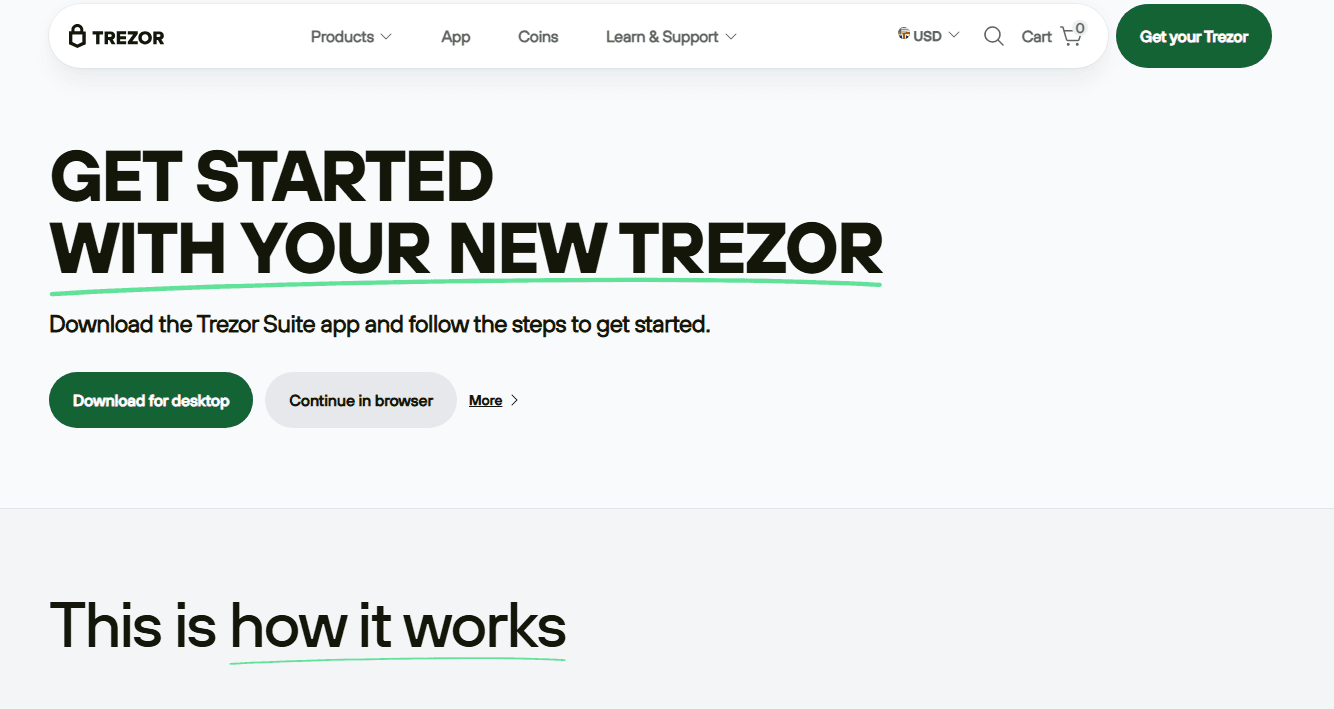
Trezor Login: A Complete Guide to Secure Access and Wallet Management
Trezor Login refers to the secure process of accessing and managing cryptocurrency assets using a Trezor hardware wallet. Unlike traditional logins that rely on usernames and passwords, Trezor Login is based on hardware-level security, cryptographic verification, and user confirmation directly on the device. This approach significantly reduces the risk of hacking, phishing, and unauthorized access.
Understanding how Trezor Login works is essential for anyone using a Trezor wallet, whether you are a beginner entering the world of cryptocurrency or an experienced user managing a growing portfolio.
What Is Trezor Login?
Trezor Login is not a conventional online login system. Instead, it refers to the secure authentication process that occurs when a user connects a Trezor hardware wallet to its management software and confirms access using the physical device.
The process ensures that private keys never leave the hardware wallet. All sensitive operations require physical confirmation, making Trezor Login one of the safest ways to access digital assets.
How Trezor Login Works
Trezor Login begins when the user connects their Trezor device to a computer or compatible device. The wallet communicates securely with the management interface, but private keys remain isolated within the hardware.
To proceed, the user must enter their PIN on the device and confirm any actions on the Trezor screen. This method ensures that even if the connected computer is compromised, the assets remain protected.
Why Trezor Login Is More Secure Than Traditional Logins
Traditional logins rely on passwords, which can be stolen through phishing, malware, or data breaches. Trezor Login eliminates this risk by requiring physical access to the hardware wallet.
Authentication depends on cryptographic verification and user confirmation on the device itself. This makes unauthorized remote access extremely difficult, even in hostile online environments.
PIN Protection During Trezor Login
The PIN code is a crucial part of the Trezor Login process. It prevents unauthorized access if the device is lost or stolen.
Each time a user attempts to log in or access wallet functions, the correct PIN must be entered. Multiple incorrect attempts trigger security delays, adding another layer of protection against brute-force attacks.
Role of the Recovery Phrase in Login Security
While the recovery phrase is not used during everyday Trezor Login, it plays a vital role in overall access security. The recovery phrase allows users to restore their wallet if the device is damaged, lost, or replaced.
Trezor Login security depends on keeping this phrase private. Anyone with access to it can recreate the wallet and gain full control of the assets.
Trezor Login and Device Confirmation
One of the defining features of Trezor Login is device-level confirmation. Important actions such as account access, transaction approval, or security changes must be confirmed on the device screen.
This confirmation ensures that users can verify details independently of the computer or software interface, protecting against tampering or display manipulation.
Trezor Login for Beginners
For beginners, Trezor Login provides a clear introduction to hardware-based security. Instead of remembering complex passwords, users rely on a physical device and a simple PIN.
This approach reduces anxiety about online threats and helps new users understand the importance of private key ownership and offline protection.
Trezor Login for Experienced Users
Experienced crypto users appreciate Trezor Login for its reliability and consistency. The login process remains the same regardless of portfolio size or asset complexity.
This predictable workflow allows advanced users to manage multiple accounts and assets while maintaining strong security standards.
Using Trezor Login Across Devices
Trezor Login is device-independent. Users can access their wallet from different computers as long as they have the Trezor hardware wallet and correct PIN.
Because private keys never leave the device, switching computers does not compromise security. This flexibility is particularly useful for users who work across multiple systems.
Common Issues During Trezor Login
Some users may experience login issues due to incorrect PIN entry, outdated software, or connection problems. These issues are usually resolved by verifying the device connection and carefully following on-screen instructions.
Trezor Login emphasizes patience and accuracy, especially when entering PINs or confirming actions on the device.
Security Best Practices for Trezor Login
To maintain strong protection, users should follow best practices when using Trezor Login:
Keep the PIN confidential and avoid simple combinations
Store the recovery phrase securely offline
Always verify details on the device screen
Avoid using untrusted computers
Protect the physical wallet from unauthorized access
These habits significantly reduce security risks.
Avoiding Phishing and Impersonation
Trezor Login protects against phishing by requiring hardware confirmation. Even if a user encounters a fake interface, no action can be completed without the physical device.
This makes Trezor Login especially effective against social engineering attacks, which are common in the crypto space.
Trezor Login and Long-Term Asset Management
Trezor Login supports long-term crypto management by maintaining consistent security over time. As portfolios grow, the same login process continues to protect assets without introducing complexity.
This stability is one reason hardware wallets are trusted for long-term storage.
Privacy Benefits of Trezor Login
Because Trezor Login does not rely on centralized authentication systems, it enhances user privacy. There are no usernames, passwords, or personal data stored on servers.
Users retain full control over access credentials, aligning with the privacy-focused principles of cryptocurrency.
Trezor Login and Self-Custody
Self-custody means owning and controlling private keys independently. Trezor Login supports this concept by ensuring that only the user can authorize access.
No third party can reset passwords or override security, reinforcing the importance of personal responsibility in crypto ownership.
Why Trezor Login Builds User Confidence
Knowing that access requires both physical possession of the device and knowledge of the PIN gives users confidence in their security setup.
Trezor Login reduces fear of online hacks and allows users to focus on managing their assets rather than worrying about constant threats.
The Role of Trezor Login in the Crypto Ecosystem
Secure login systems like Trezor Login help strengthen the overall cryptocurrency ecosystem. By reducing losses caused by compromised accounts, they promote trust in self-custody solutions.
Widespread adoption of hardware-based logins contributes to safer digital asset practices across the industry.
Conclusion
Trezor Login is a secure, hardware-based authentication process that allows users to access and manage their cryptocurrency safely. By combining PIN protection, device confirmation, and offline key storage, it offers a powerful alternative to traditional password-based logins.
Whether you are new to crypto or an experienced investor, understanding and properly using Trezor Login is essential for maintaining control, security, and peace of mind. By following best practices and respecting the importance of hardware security, users can confidently protect their digital assets over the long term.